2026-10-24 ·
Cleaning Dryer Vents in Older Gresham Neighborhoods
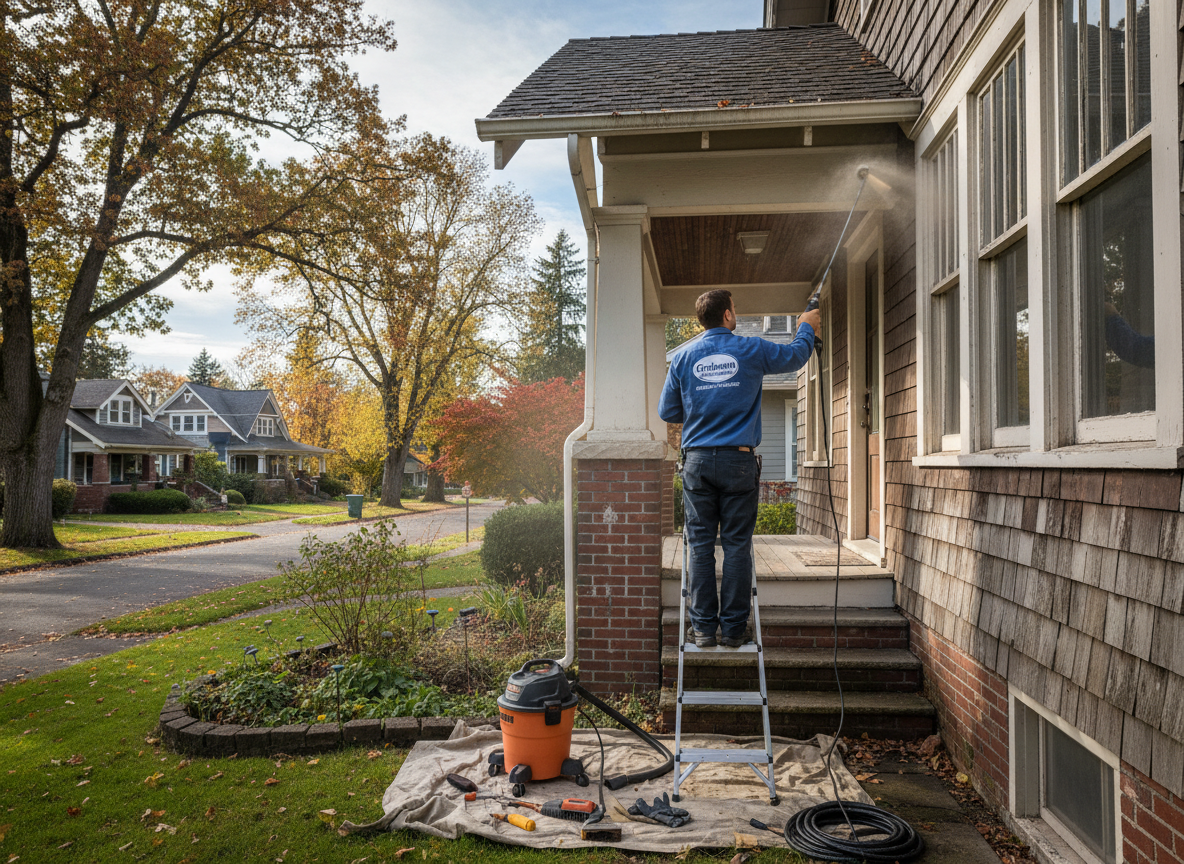
In older Gresham neighborhoods, dryer vent cleaning typically takes 60 to 90 minutes per single-story home when lint buildup reaches 50 percent blockage, with full restoration often requiring 2 to 3 hours in two-story structures common around Rockwood. Wet winters accelerate lint compaction inside metal ducts that run through unconditioned crawl spaces, while mild summers allow easier scheduling before fall rains return.
Housing Stock Challenges in Rockwood and Downtown
Homes built before 1970 in Rockwood and Downtown Gresham frequently feature 4-inch rigid metal ducts routed through tight joist bays or exterior walls finished with wood siding. These runs often include multiple 90-degree elbows that trap lint faster than straight modern installations. The county's occasional winter flooding raises moisture levels in crawl spaces, causing lint to clump and restrict airflow within weeks of a prior cleaning. Technicians must remove sections of duct at each elbow to clear compacted material that standard brushes miss, especially where ducts pass near the Gresham Pioneer Cemetery boundary homes or properties close to Mt. Hood Community College. Rockwood residents report vent fires starting more often in these configurations because airflow drops below safe levels after 8 to 12 years without service.
Wet Winter Effects on Vent Performance
Multnomah County winters bring repeated rain and occasional flooding that saturates exterior vent hoods and allows water to enter the duct run. Once inside, the moisture combines with dryer lint to form a dense plug that standard homeowner brushes cannot dislodge. This condition appears most often in Downtown homes where ducts exit at ground level near sidewalks that collect standing water. The mild summers that follow do not fully dry the interior surfaces, leaving residual dampness that promotes mold growth along the pipe walls. Proper cleaning requires a shop vacuum with 2-inch hose attachments plus rotary brushes sized for 4-inch pipe to restore full airflow before the next wet season begins.
Practical Cleaning Steps for Local Homes
Begin by disconnecting the dryer and pulling it away from the wall to access the rear connection. Remove the flexible transition hose and inspect for tears that allow lint to escape into the laundry room. Feed a rotary brush through each accessible duct section, working from both the dryer end and the exterior hood. In older Rockwood properties, exterior hoods often sit 8 to 10 feet above grade, requiring a ladder and a second person to catch falling debris. After brushing, run the vacuum through the entire length while the dryer blower operates on high heat for 10 minutes to clear remaining particles. Reattach components only after confirming the exterior flap moves freely and no lint remains visible at the connection points.
When Professional Dryer Repair Becomes Necessary
Persistent overheating after vent cleaning indicates crushed or separated duct sections hidden inside walls, a common issue in 1960s-era homes near Rockwood. Technicians can locate these failures with a camera inspection and replace damaged runs without opening finished surfaces in many cases. Homeowners should schedule service when the dryer takes more than 60 minutes to complete a normal load or when the exterior vent hood feels warm to the touch during operation. Laundry appliance repair teams familiar with Multnomah County conditions carry the correct 4-inch rigid pipe and fittings to restore original performance without introducing new elbows that worsen future lint accumulation.